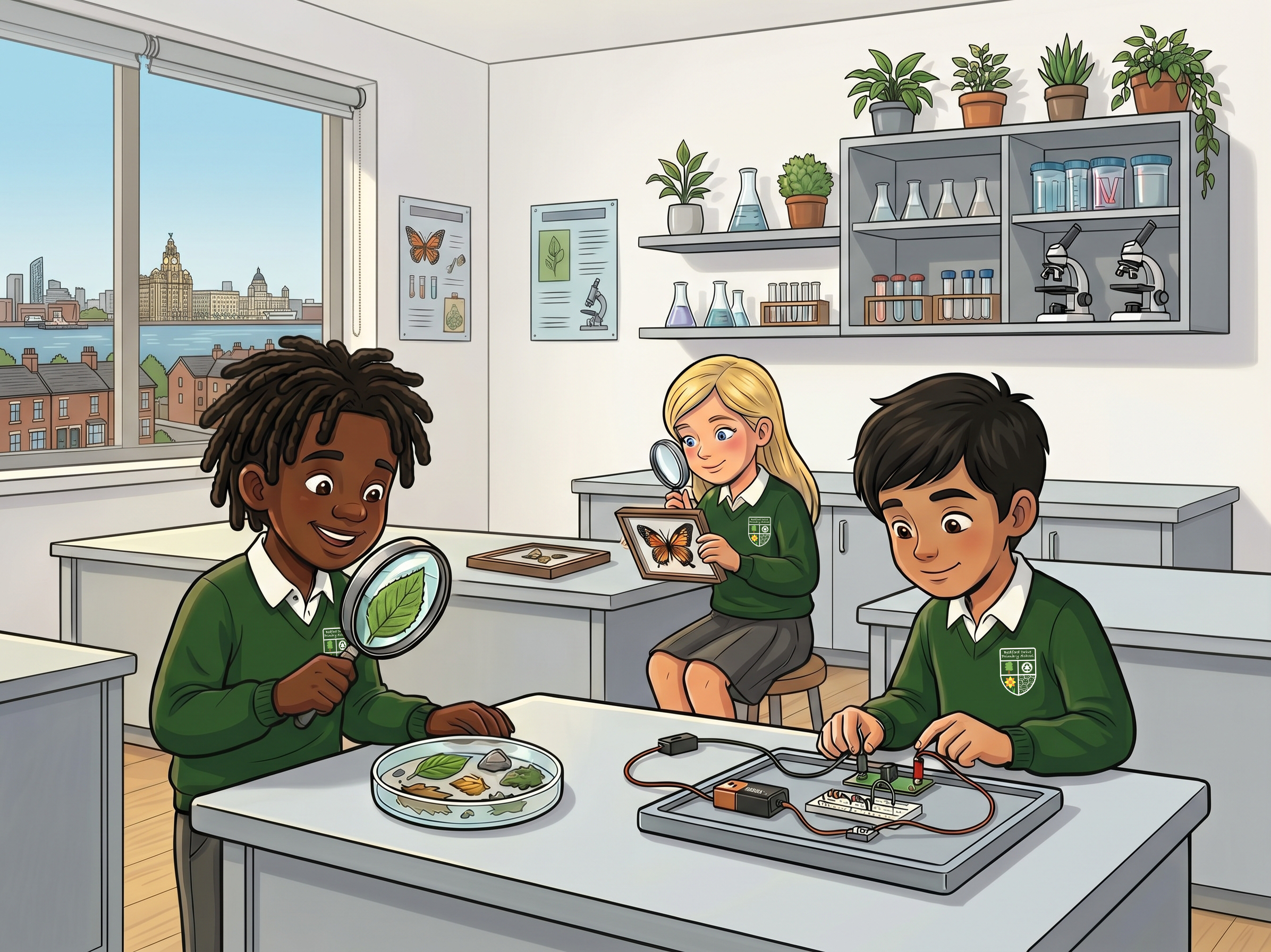
Science
at Bedford Drive Primary School
“To develop a complete mind: Study the science of art; Study the art of science. Learn how to see. Realise that everything connects to everything else.”
The school follows the National Curriculum for Science as defined by the Department for Education. The National Curriculum for Science aims to ensure that all pupils:
develop scientific knowledge and conceptual understanding through the specific disciplines of biology, chemistry and physics.
develop understanding of the nature, processes and methods of science through different types of science enquiries that help them to answer scientific questions about the world around them.
are equipped with the scientific knowledge required to understand the uses and implications of science, today and for the future.
Being a scientist at Bedford Drive means:
Being curious about the world around us by observing closely, asking questions and exploring how and why things happen.
Developing scientific knowledge and understanding through the study of plants, animals, humans, materials, habitats, forces, light, sound, electricity, Earth and space.
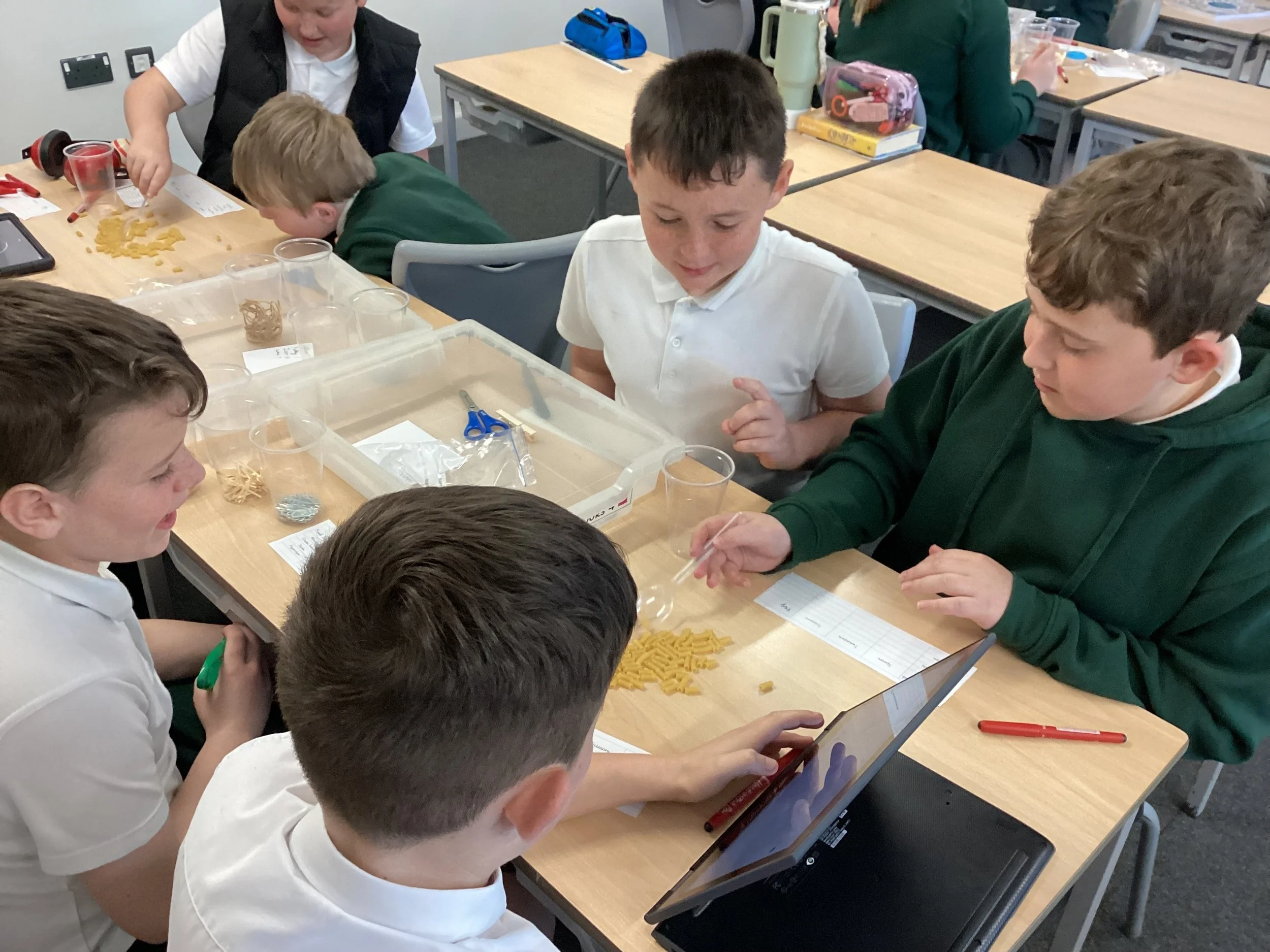
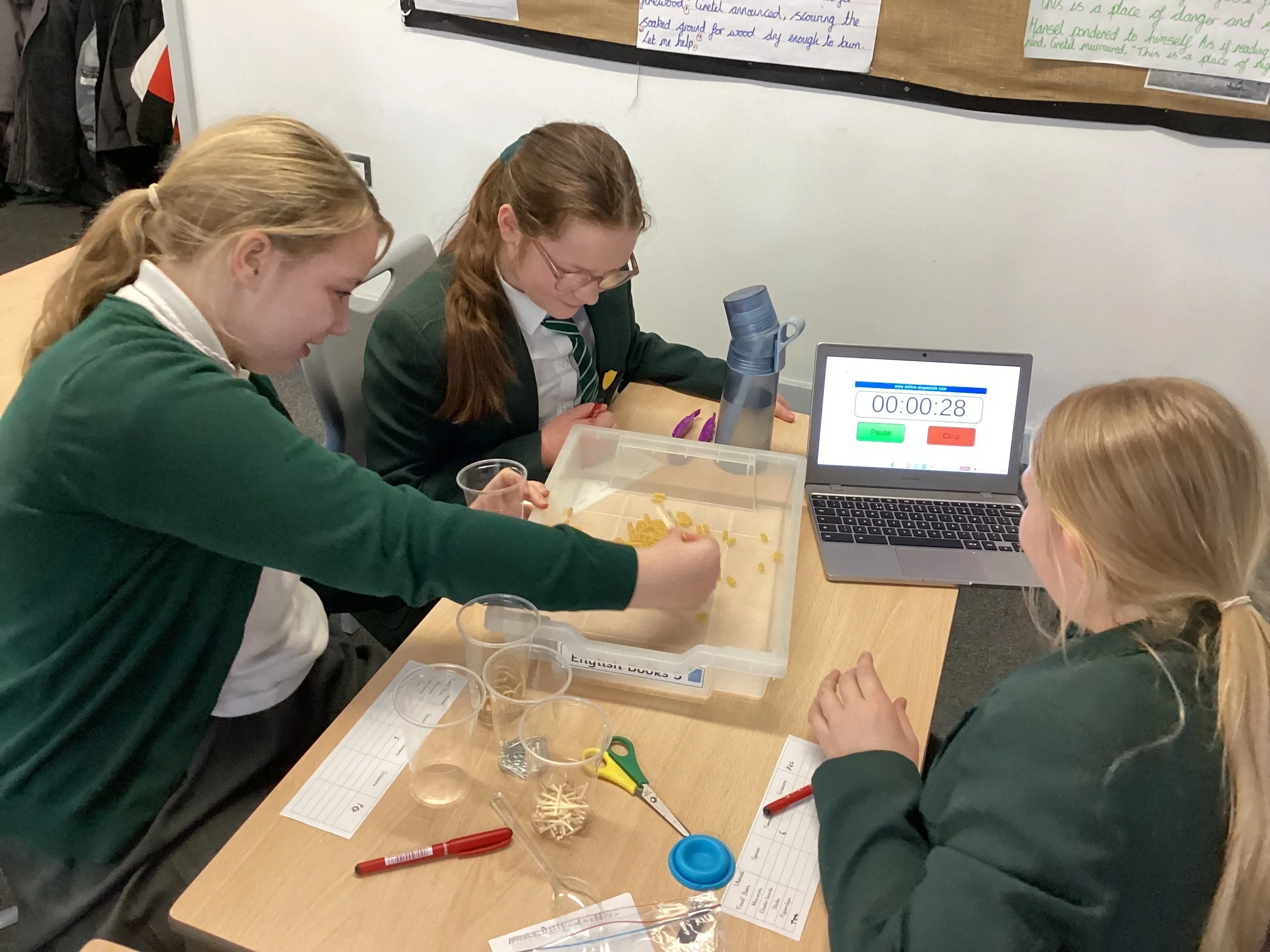
Working scientifically by carrying out practical activities and using different types of scientific enquiry to answer questions.
Making predictions and planning investigations by deciding what to observe, what to measure and how to carry out a test safely and fairly.
Observing, comparing and classifying by noticing similarities and differences, grouping things and identifying patterns and changes.
Gathering and recording information by making careful observations, taking accurate measurements and presenting findings using drawings, labelled diagrams, tables and charts.
Using evidence to reach conclusions by discussing results, explaining what we have found out and considering whether our findings support our predictions.
Communicating scientifically by speaking and writing clearly and using accurate scientific vocabulary.
Understanding the importance of science by learning how scientific ideas and discoveries help us to understand the world and influence our everyday lives.
Developing confidence and perseverance by exploring ideas, learning from unexpected results and recognising that questions and mistakes are an important part of scientific discovery.