Oracy at Bedford Drive
Oracy refers to the skills involved in using spoken language and physical expression to articulate ideas, develop understanding, and interact with others.
At Bedford Drive Primary School, Oracy is woven through our curriculum. Through talk and listening, children build understanding, confidence, and the skills they need to thrive both in learning and in life.
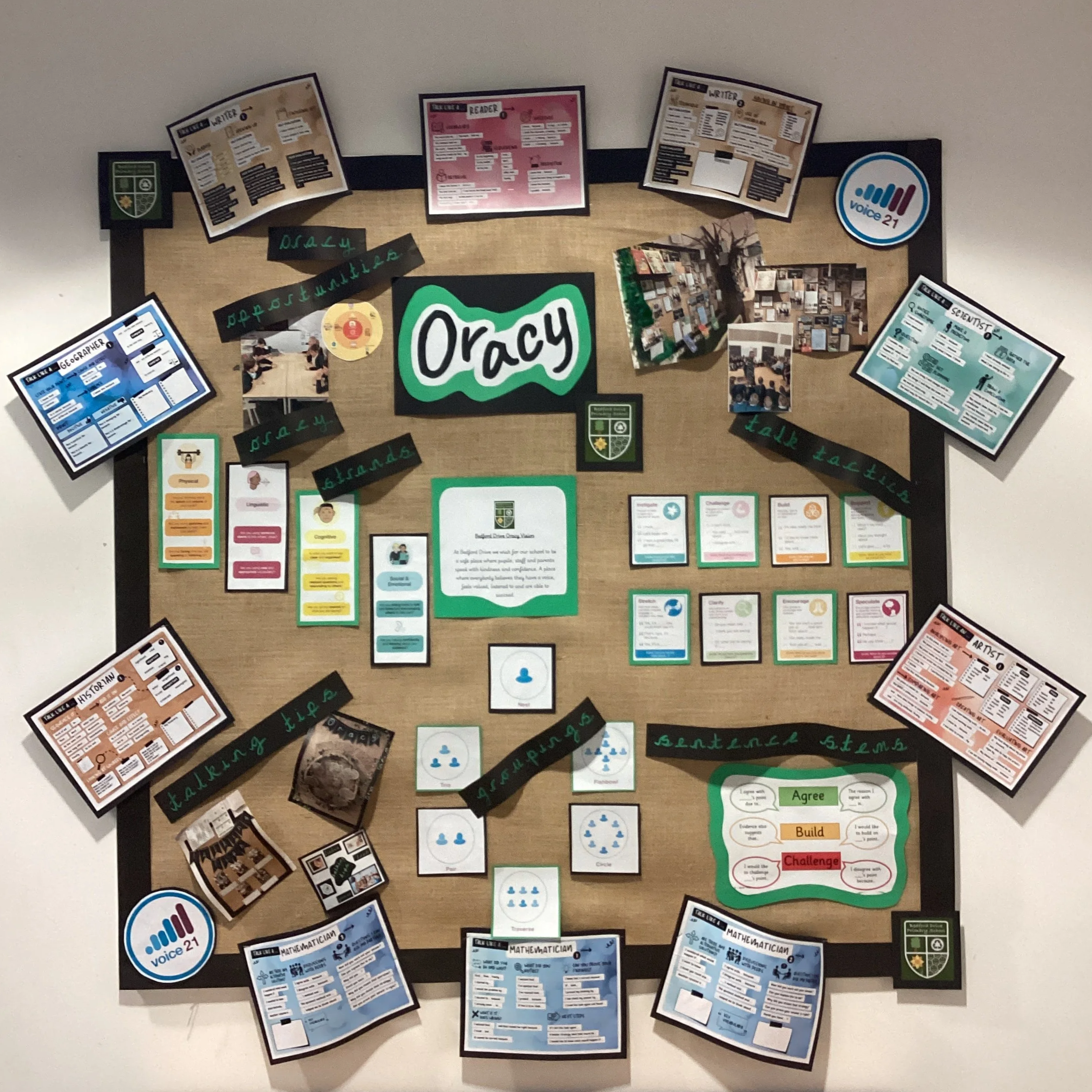
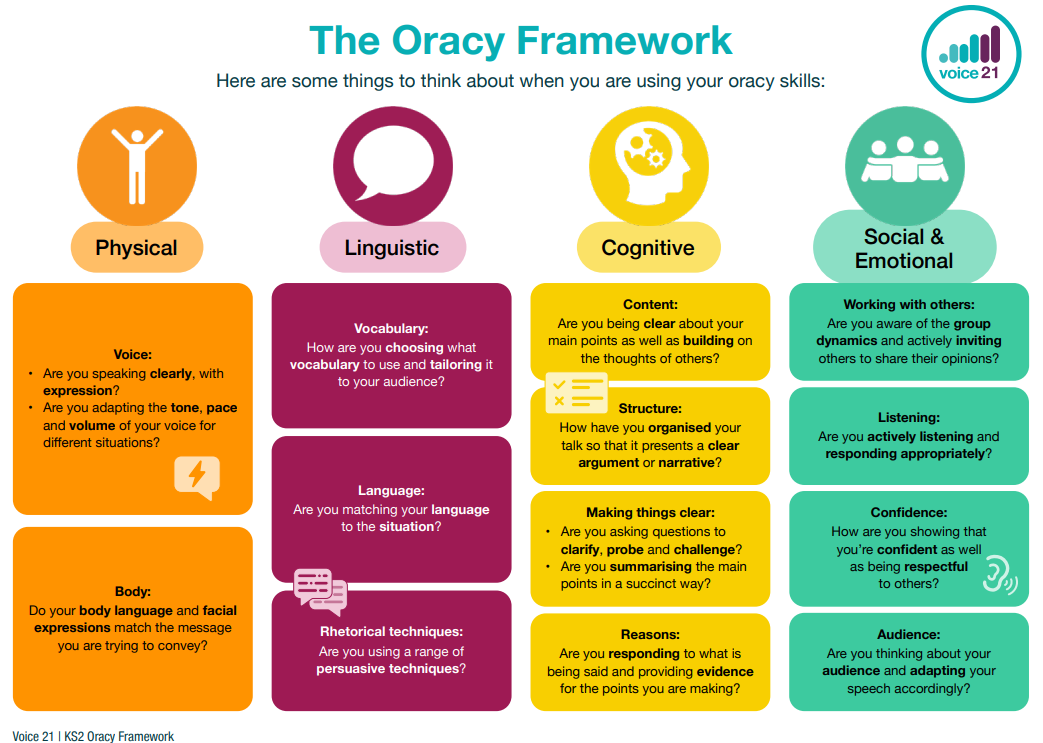
At Bedford Drive Primary School, our approach to oracy is guided by the Voice 21 framework. We discreetly teach and develop the four strands of oracy: physical, linguistic, cognitive and social & emotional skills. Through structured talk, discussion and collaboration across the curriculum, children learn how to speak with confidence, listen actively, and think deeply. This approach helps all pupils to build understanding, develop positive relationships, and succeed both academically and personally.
The Oracy framework is used to support our pupils to develop their speaking and listening through four key strands: physical, linguistic, cognitive, and social & emotional. By building these skills across the curriculum, pupils gain confidence, communicate clearly, and thrive in learning and life.
The Oracy Framework
When planning lessons, we consider the four strands of the Oracy Framework and Integrate these strands to ensure Oracy development is purposeful and meaningful in every lesson.
“Oracy is the key that unlocks learning. It is the ability to express ideas, to reason, and to engage in meaningful dialogue with others.” Voice21
Developing Oracy skills
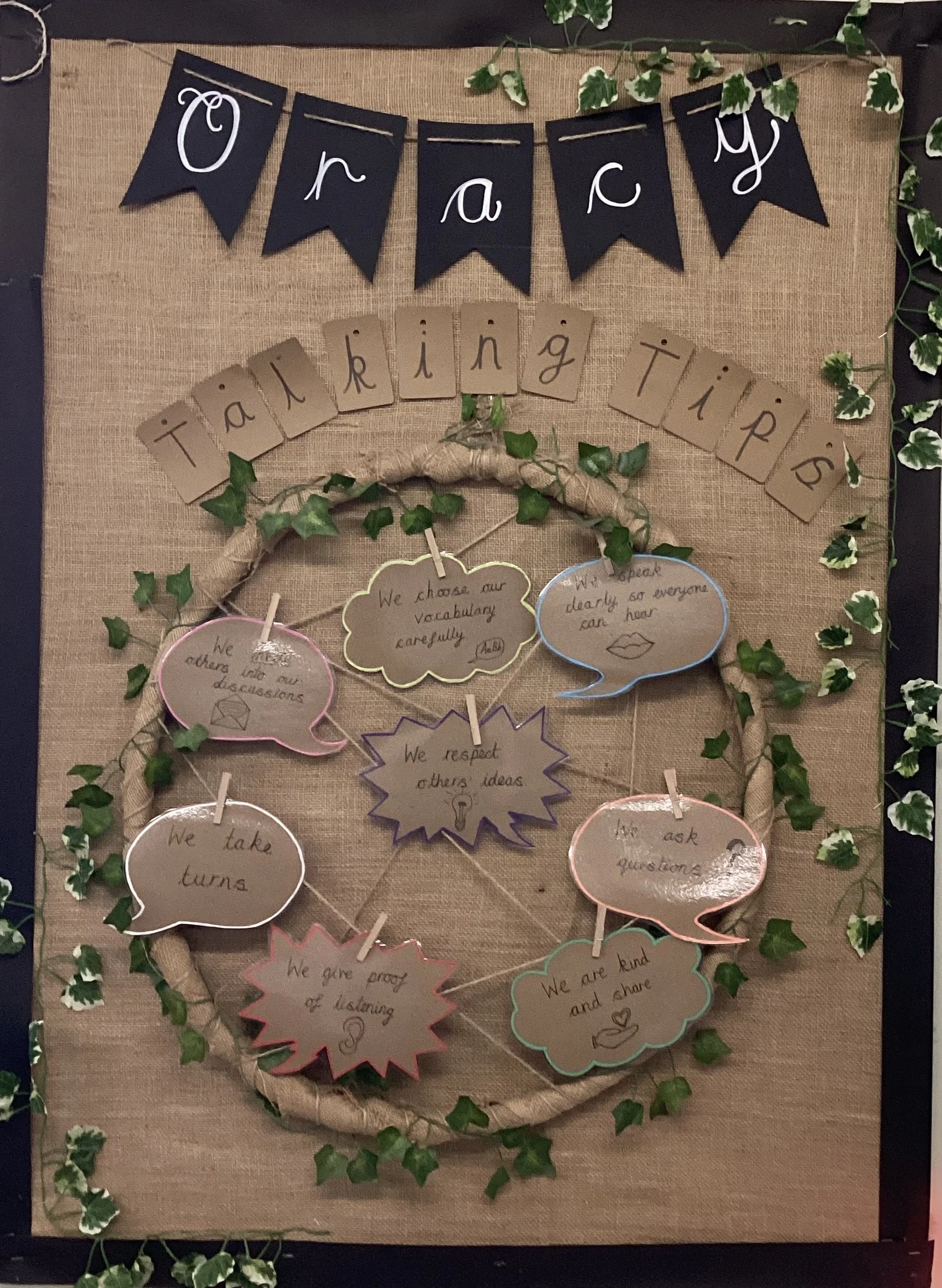
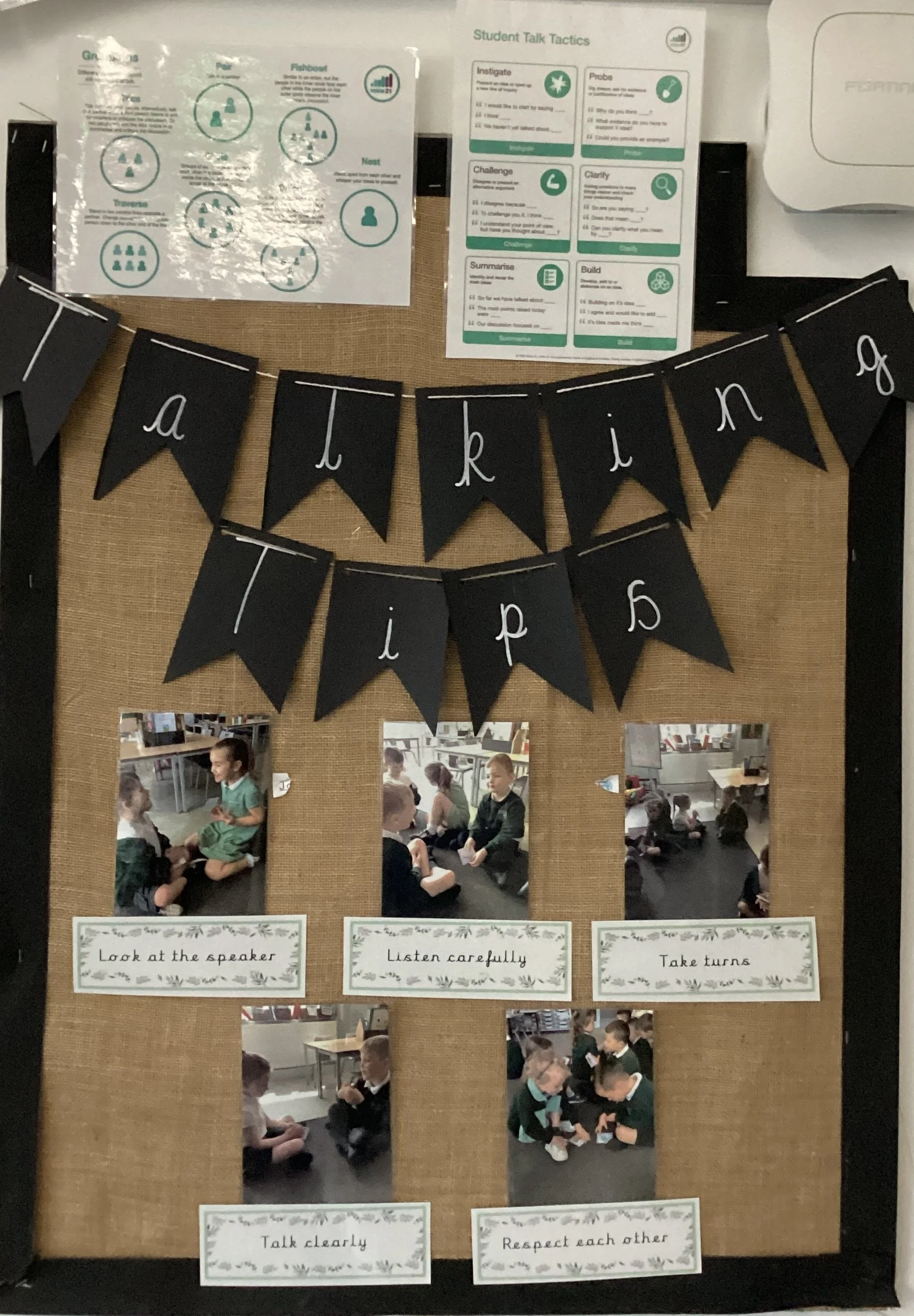
At Bedford Drive, we have developed clear programs of talking tips and talk tactics—practical strategies that help children speak clearly, listen carefully, and participate confidently. Children practise these skills across all lessons so they become confident communicators in every subject.
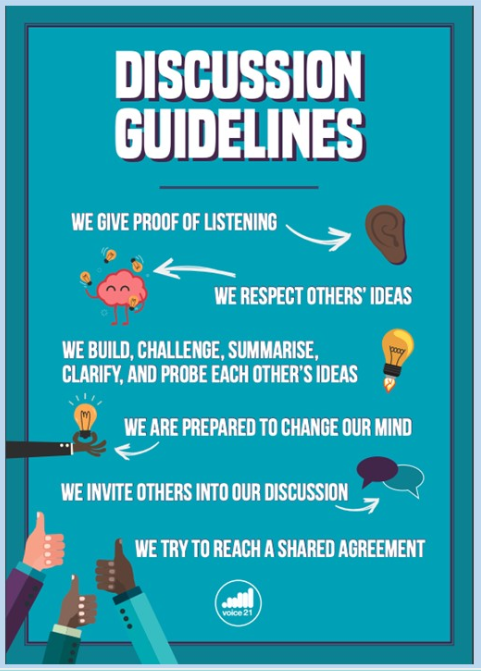
Our Oracy Pedagogy
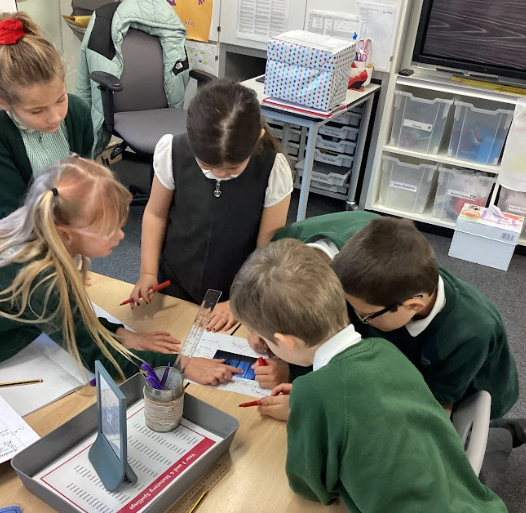
Classroom talk is structured using groupings and talk tactics to further support and develop Oracy. Students work in pairs, trios, depending on the purpose of discussion, allowing for rehearsal, collaboration, and sharing ideas with the wider group. Within these structures, talk tactics such as instigating, probing, challenging, clarifying, building, and summarising guide students to engage thoughtfully, listen actively, and contribute with confidence.
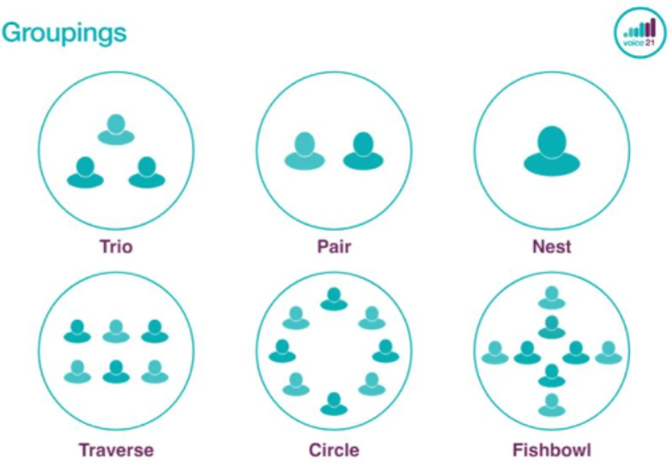
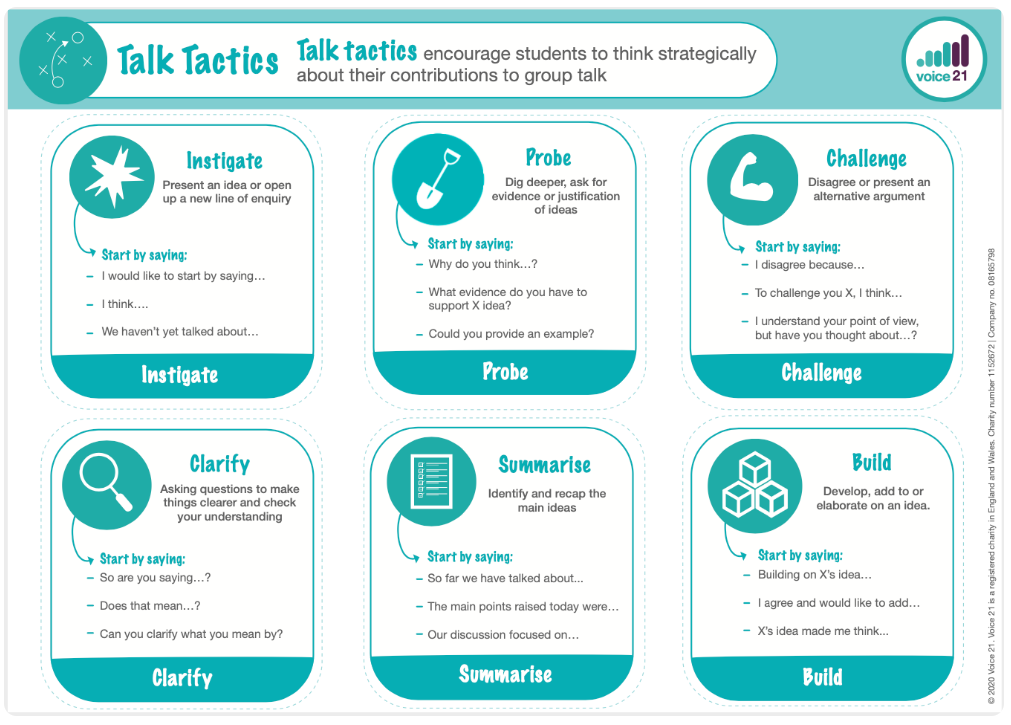
Through varied groupings and talk tactics, children are supported to develop and strengthen their vocabulary and sentence structures. Key vocabulary is explicitly taught and defined, enabling children to engage thoughtfully with its meaning and explore the contexts in which it can be used.
At Bedford Drive practitioners use structured talk and varied groupings to ensure all students participate. Key vocabulary is explicitly taught, modelled, and practised so students can use it precisely in different contexts and sentence structures. Scaffolded talk tactics support rich discussion, helping our pupils to listen actively, respond thoughtfully, and think critically.
Vocabulary toolkit
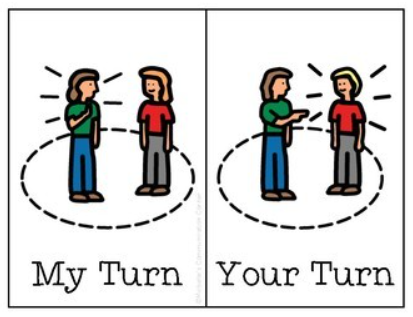
Oral rehursal
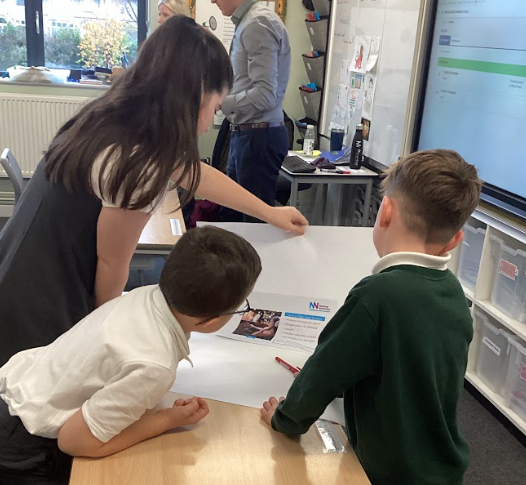
Oral rehearsal is the process of speaking ideas aloud before writing or presenting, allowing students to organise their thoughts, experiment with vocabulary and sentence structures, and refine how they communicate their ideas clearly and effectively.
Concept cartoon
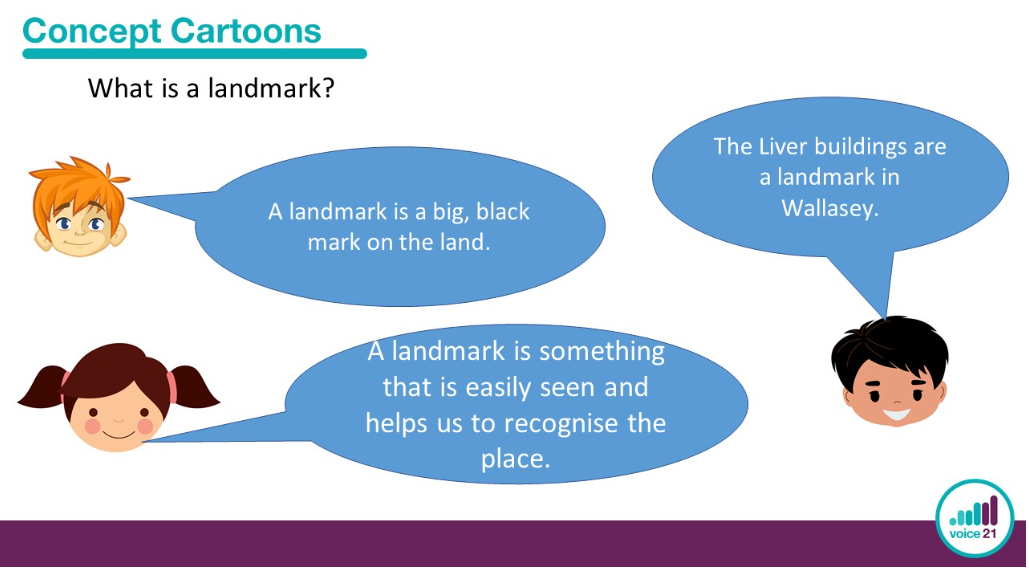
A concept cartoon is a visual tool that presents different ideas or viewpoints about a concept to prompt discussion, challenge misconceptions, and encourage students to reason and justify their thinking.
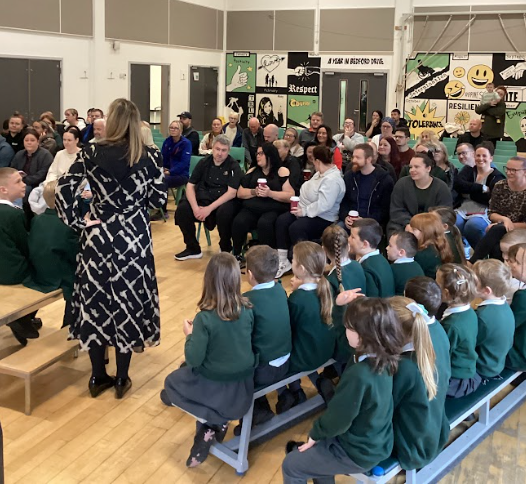
A broad and varied vocabulary is important because it allows students to express their ideas clearly, precisely, and creatively, understand new concepts, and engage confidently in discussion and writing. It also supports deeper thinking, comprehension across subjects, and the ability to reason and persuade effectively in talk.
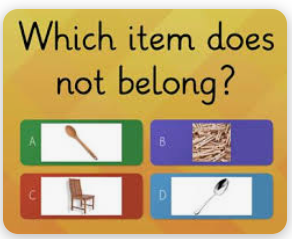
Odd one Out
Using an “Odd One Out” strategy involves presenting a set of items or ideas and asking students to identify which doesn’t belong, then explain their reasoning. It encourages discussion, comparison, and justification, supporting learning through structured talk.